Why Wellness-Focused Food Content Dominates Pop Culture
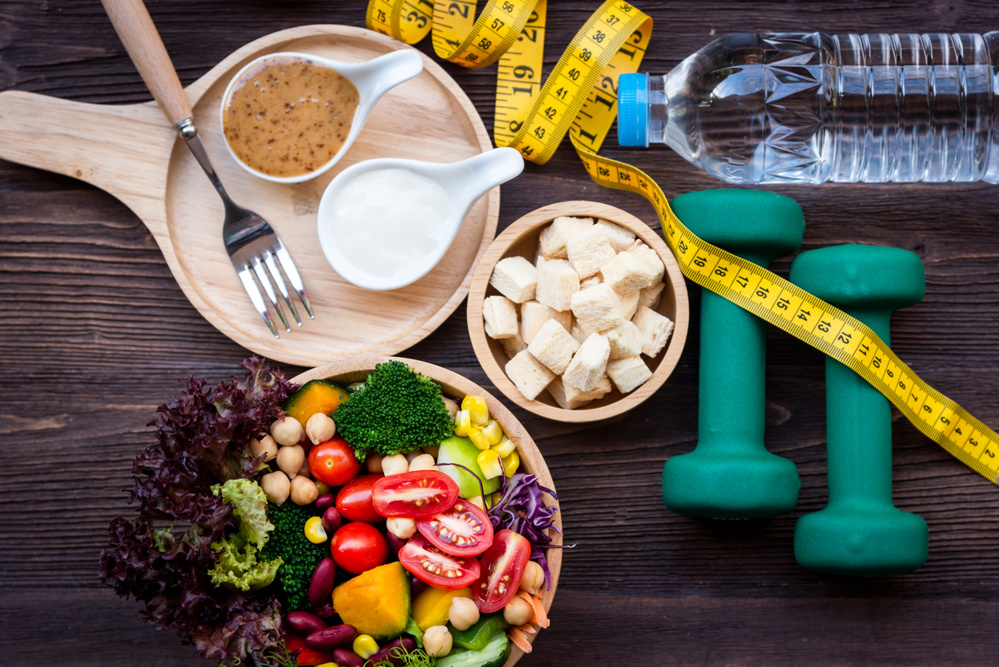
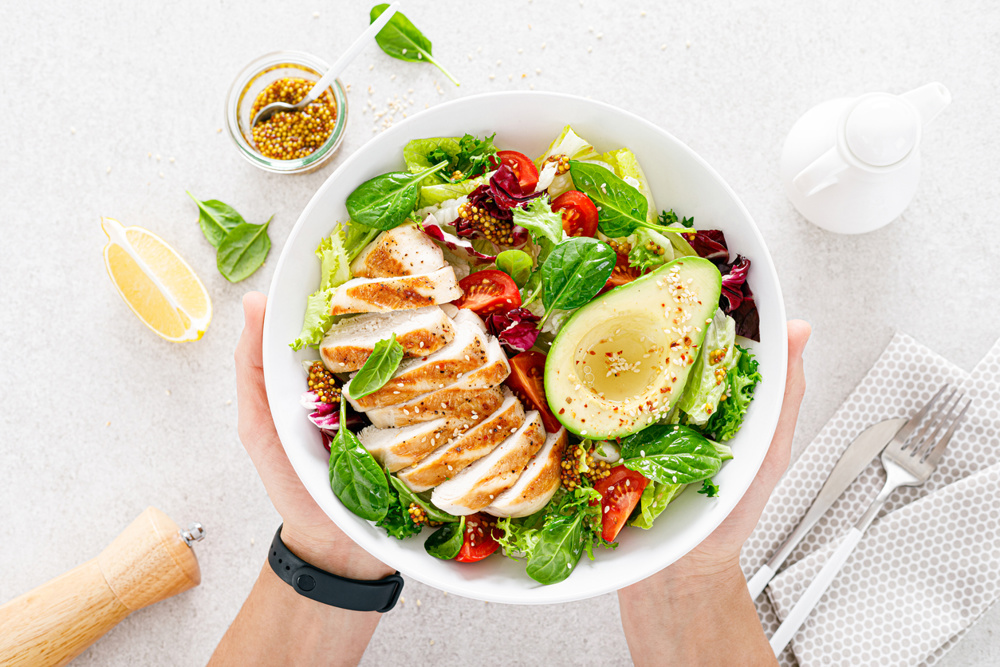
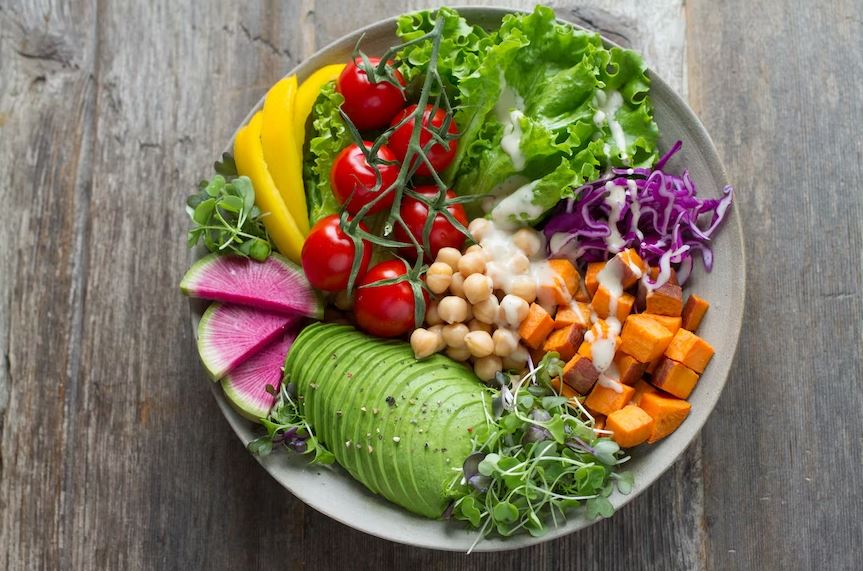
Wellness-focused food content dominates pop culture because it connects directly to how people feel about control, identity, and daily life. Food is no longer just about nutrition—it has become a way to manage stress, express values, and participate in broader cultural trends. From matcha lattes to gut-health smoothies, what people eat now signals more than taste; it reflects lifestyle choices and personal beliefs.
This shift didn’t happen randomly. It emerged from a combination of economic pressure, post-pandemic behavior changes, and digital platforms that amplify emotionally resonant content. As a result, wellness food has moved from niche interest to mainstream cultural force, shaping how people think about eating, health, and identity.
Why Economic Anxiety and Post-COVID Culture Created a Wellness Food Boom?
The COVID-19 pandemic reshaped how people think about food at a fundamental level. During periods of uncertainty, food became one of the few areas individuals could control. Economic instability, job losses, and rising living costs intensified this need, making food choices feel more significant and intentional.
As anxiety increased, so did the desire for stability and comfort. Many people turned to home cooking, simpler ingredients, and routines that felt predictable. This created a renewed focus on what food represents—not just sustenance, but security and well-being. Wellness eating emerged as a response to this environment, offering a sense of structure in uncertain times.
Even after the pandemic, these habits persisted. Rising costs and continued financial pressure reinforced the importance of mindful consumption. Wellness-focused food became a practical and emotional response, blending health awareness with economic reality.
How Did Healthy Eating Become a Status Symbol for Gen Z?
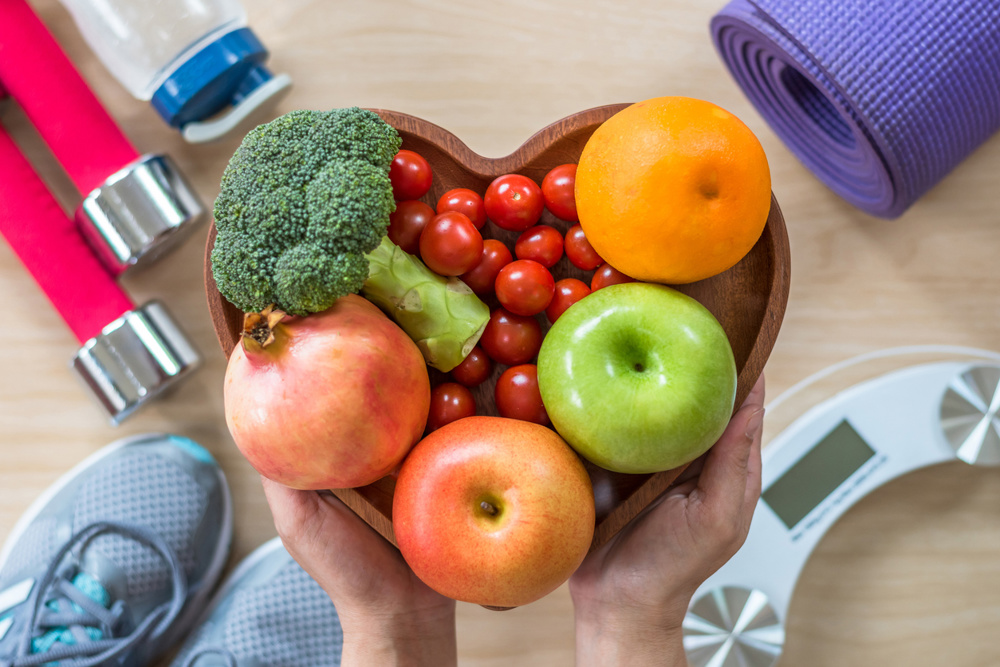
For Gen Z, food is deeply tied to identity. What you eat is no longer a private decision—it’s something you share, document, and use to communicate who you are. Choosing plant-based meals, organic products, or functional foods signals awareness, discipline, and alignment with certain values.
This shift is driven by visibility. Social media platforms turn everyday meals into public statements, where aesthetics and ingredients matter as much as taste. Clean labels, sustainability, and transparency are not just preferences—they are expectations. As a result, food becomes a form of social currency.
At the same time, this generation values authenticity. While wellness foods can signal status, they must also feel genuine. Overly marketed or misleading products are quickly rejected. This balance between identity and authenticity defines how Gen Z engages with wellness food culture.
How Does TikTok Turn Everyday Food Hacks into Health Trends?
The same identity-driven food culture Gen Z broadcasts on their feeds has found its most powerful engine in TikTok's algorithm. It learns your preferences within minutes, then floods your feed with matching content until everyday hacks like #juicing or #keto exploded into global movements.
You're not just watching recipes—you're experiencing short form storytelling built around sensory triggers: sizzling sounds, vibrant colors, and satisfying textures that spark emotion before you've consciously registered the message. The platform rewards visually dynamic content over creator reputation, so when multiple creators replicate the same trend, it gains instant credibility.
Hashtags like #matcha and #applecidervinegar aren't just tags—they're cultural signals amplified by billions of views, transforming simple ingredients into wellness rituals you feel compelled to try. Yet this same viral momentum carries real risk, as these trends can quietly normalize extreme or restrictive diets that lack any evidence-based nutritional foundation.
Why Are Celebrities and Influencers the Fastest Way Wellness Trends Spread?
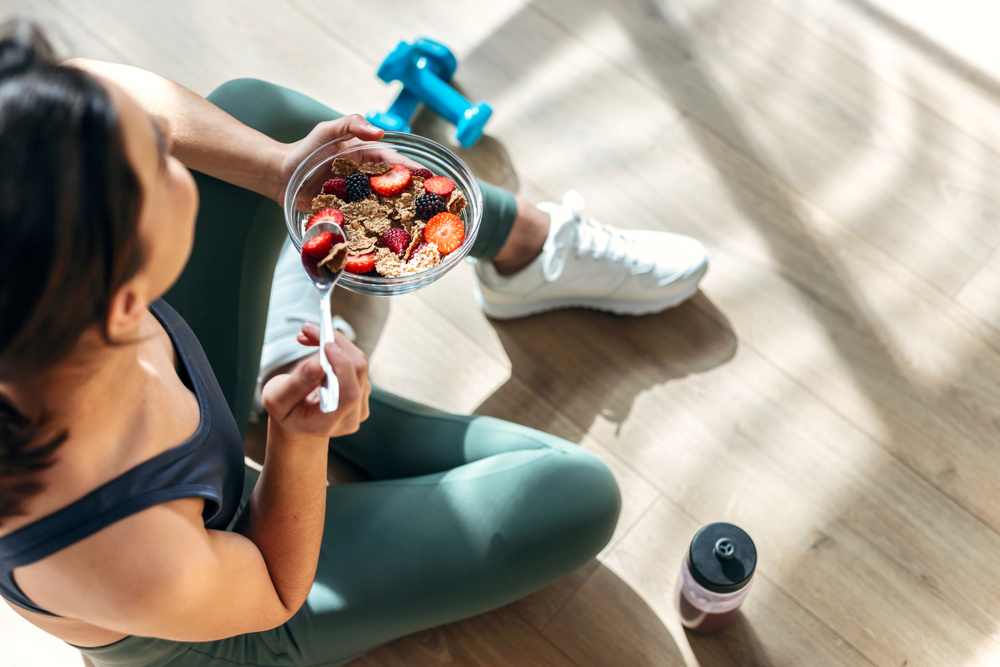
Celebrities and influencers play a key role in accelerating wellness trends. Their platforms provide immediate access to large audiences, and their recommendations often carry a sense of trust and relatability.
When influencers share their routines or favorite products, followers are more likely to adopt similar habits. This is especially true in wellness, where personal experience often feels more convincing than traditional advertising. As a result, trends can spread rapidly across different communities.
The scale of this influence is significant. With wellness content ranking among the most popular categories online, influencers act as intermediaries between brands and consumers, shaping preferences and driving demand.
Check out MrPopCulture.com and learn more about pop culture trends in wellness eating.
INSTRUCTIONS: ONCE YOU HAVE POSTED TOPIC 2 ON MRPOPCULTURE.COM - ADD THE ABOVE LINK TO THAT POST IN THIS ARTICLE.
The new post will be linked on the phrase “pop culture trends in wellness eating”
Why Do Wellness Food Trends Now Spread Faster Than Brands Can Keep Up?
Wellness food trends now move faster than most brands can match, and TikTok is the reason why. Microtrend acceleration means an ingredient goes viral overnight, and suddenly you're seeing ashwagandha or adaptogen lattes everywhere before suppliers can scale.
Brands like Goli and Nello didn't just ride trends—they helped create them through frequent drops and creator-led storytelling. But that same speed creates problems. Ingredient scarcity hits hard when demand spikes faster than sourcing allows. You see shelves empty, waitlists grow, and consumer interest peak before restocks arrive.
Functional benefits—gut health, energy, focus—drive the urgency, because consumers now expect fast, noticeable outcomes. If your brand can't move at TikTok's pace, someone else's will. Across the top-growing wellness brands, consumers consistently follow a symptom-to-brand pathway, moving from recognizing a problem to seeking an ingredient solution before landing on a specific brand.
How Do Brands Use Visual Aesthetics to Signal Wellness?
Visual aesthetics do more than decorate—they communicate health values before a single word is read. When you see calming palettes of greens and blues, your brain immediately connects the brand to nature, health, and tranquility. Warmer oranges and yellows signal energy and optimism, perfectly suited for fitness or nutrition brands. Soft neutrals create a soothing, premium feel that reinforces purity and simplicity.
Minimalist typography complements these visual signals by projecting professionalism and approachability without overwhelming you. Clean, modern fonts feel trustworthy, while handwritten styles evoke an organic, therapeutic quality. Together, consistent color choices and thoughtful font pairings build familiarity across every platform you encounter.
Brands that align imagery, color, and typography cohesively don't just look polished—they make you feel their wellness promise before you've read a single claim. Wellness brands that maintain visual identity consistency across their website, social media, and packaging reinforce their brand promise at every consumer touchpoint.
When Does Wellness Content Cross into Misinformation?
The line between wellness inspiration and misinformation blurs faster than most people realize. Psychological exploitation happens when influencers target your uncertainty, offering unproven remedies as simple fixes. Institutional distrust deepens when platforms amplify emotionally compelling but clinically false narratives over verified medical guidance.
Watch for these warning signs:
- Forbidden knowledge framing: Claims suggesting doctors are hiding cures from you
- Anecdotal over evidence: Personal stories dressed in scientific jargon without clinical backing
- Fabricated credibility: Influencers like Belle Gibson built entire brands around false health journeys
People are especially vulnerable when scared, confused, or frustrated with mainstream medicine. Real-world consequences aren't abstract — people have died following unregulated wellness content. Recognizing manipulation tactics protects you before misinformation shapes your actual health decisions. Parasocial relationships with influencers create a false sense of trust, making their unverified health claims feel as credible as advice from a doctor you've known for years.
How Is the Wellness Takeover Permanently Reshaping Food Culture?
Despite the real risks of wellness misinformation, the movement's influence on food culture has already passed the point of no return. You're no longer eating just for hunger — you're building a plant-forward identity rooted in energy, focus, and prevention.
Functional ingredients like adaptogens, fiber-rich foods, and anti-inflammatory staples have shifted from niche health stores to everyday menus and grocery aisles. Restaurants now embed stress-busting ingredients directly into their offerings, while QR codes and blockchain sourcing make transparency a standard expectation.
Your meals have become preventative rituals — deliberate choices that reflect values around sustainability, gut health, and longevity. Wellness isn't a trend you're following anymore; it's the new baseline shaping how food is grown, sold, prepared, and consumed across every corner of food culture. Chefs, educators, policymakers, and operators increasingly share co-responsibility across the food ecosystem to improve food literacy and drive meaningful change through collective action.
How Wellness Food Became a Form of Self-Expression
Food choices increasingly function as a form of personal expression, operating much like fashion, music, or design. What you eat now communicates more than preference—it reflects your beliefs about health, sustainability, discipline, and even social awareness. Choosing plant-based meals, organic ingredients, or functional foods signals alignment with certain values, making food a visible extension of identity.
This expressive function is amplified through digital sharing. Platforms like Instagram and TikTok turn everyday meals into curated content, where presentation, ingredients, and context all matter. A smoothie bowl or matcha latte is no longer just consumed—it is styled, photographed, and shared as part of a broader narrative about lifestyle.
Over time, this turns individual behavior into collective culture. Trends emerge not just because they are healthy, but because they are shareable and meaningful within a social context. Wellness food becomes a shared experience shaped by visibility, where personal habits contribute to larger movements. In this way, eating is no longer private—it is participatory, influencing and being influenced by a global audience.
Why Wellness Food Culture Reflects a Broader Cultural Shift
The rise of wellness food culture reflects a deeper transformation in how people approach health and daily living. There is a growing emphasis on prevention, balance, and long-term well-being rather than reactive or short-term solutions. Food plays a central role in this shift, becoming part of a broader lifestyle focused on maintaining physical and mental health.
Several factors contribute to this change. Increased access to information allows individuals to learn about nutrition and make more informed choices. At the same time, evolving social values place greater importance on sustainability, ethical sourcing, and mental well-being. These priorities reshape how food is produced, marketed, and consumed, aligning it with larger cultural concerns.
As a result, wellness food is no longer a niche interest—it is integrated into everyday life. It influences not only individual habits but also industry practices and global conversations. This shift suggests that wellness-focused eating is not temporary. Instead, it represents a lasting change in how people define health, identity, and quality of life in a rapidly evolving world.
Conclusion
Wellness-focused food content dominates pop culture because it connects deeply with how people live, feel, and express themselves. It reflects broader changes in society, from economic pressures to digital behavior and evolving definitions of health.
While challenges such as misinformation exist, the overall impact of this movement is clear. Wellness food has transformed from a niche interest into a defining feature of modern culture. As technology and social platforms continue to evolve, this influence is likely to grow, further shaping how food is understood and experienced worldwide.