Ideas for Creating a Year-Round Healthy Kitchen Calendar for Busy Households
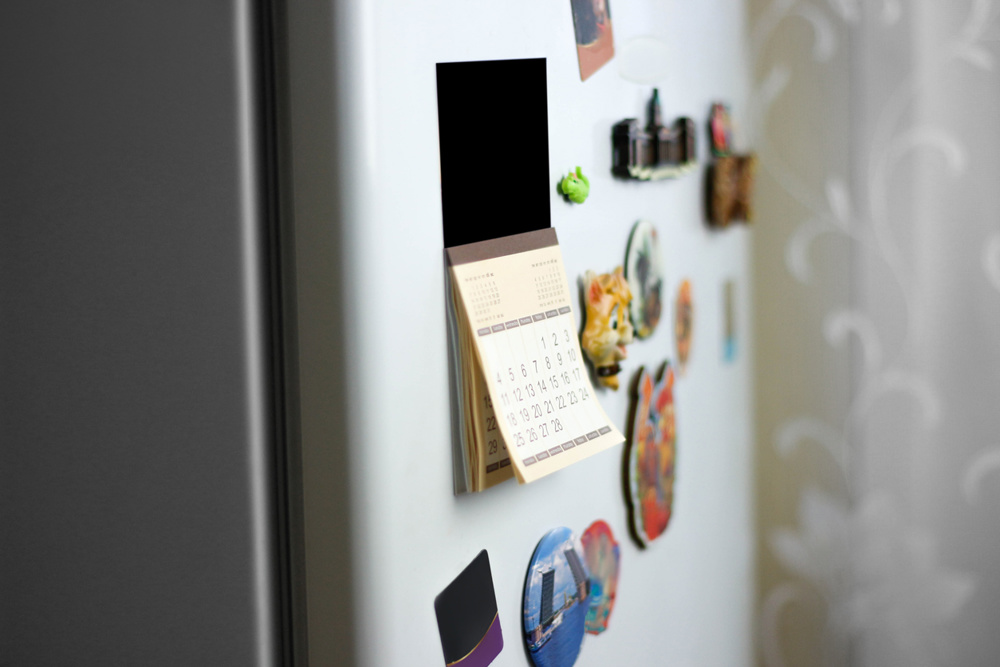
Busy households rarely struggle because of a lack of effort—they struggle because everything is happening at once. School schedules, work commitments, meals, errands, and chores all compete for attention, and without a clear system, small things quickly slip through the cracks. Missed appointments, last-minute dinners, and repeated questions become part of the daily routine.
A kitchen calendar changes that dynamic by creating one shared system everyone can rely on. Instead of scattered notes, forgotten reminders, or constant verbal updates, it brings structure into a visible, accessible space. When built properly, it becomes more than a schedule—it becomes the central hub that keeps your household running smoothly throughout the year.
Why Busy Families Need a Kitchen Calendar System
Managing a busy household means juggling school events, work commitments, weekend plans, and everyone's individual schedules—and without a centralized system, things fall through the cracks. A kitchen calendar gives your family one reliable reference point that fits naturally into morning rituals, letting everyone glance at the day's commitments while grabbing breakfast or packing lunches.
Instead of chasing down notifications across multiple apps or relying on individual memory, your whole family—from young kids to grandparents—stays informed through shared visibility. This reduces repeated questions, prevents scheduling conflicts, and distributes coordination responsibility across household members rather than burdening one parent.
A centralized system also supports emergency planning by keeping critical information consistently accessible. When everyone knows where to look, your household runs with less friction, less stress, and far greater accountability. For households where members work varying shifts or hourly jobs, using a work hours calculator can help accurately track weekly work totals and inform how the family calendar gets structured around real availability.

Paper vs. Digital: Which Kitchen Calendar Format Fits Your Family?
Choosing the right format is one of the most important decisions when setting up your kitchen calendar. Paper and digital systems both offer advantages, and the best option depends on how your household functions day to day.
Paper calendars are highly visible and easy to use. Writing things down can improve memory and make planning feel more intentional. They also allow for quick customization, whether through colors, notes, or drawings. However, they can be harder to update, especially when plans change frequently.
Digital calendars offer flexibility and convenience. They allow instant updates, reminders, and syncing across devices. This is especially useful for families with varying schedules or members who are often away from home. The downside is that digital systems depend on consistent engagement, and not everyone may check them regularly.
Many households benefit from a hybrid approach. A visible paper calendar provides a daily reference point, while a digital system handles updates, reminders, and coordination on the go.
Be sure to check out tools to build your own custom healthy kitchen calendars today!
Set Up a Color-Coded Kitchen Calendar That Actually Works
Color-coding your kitchen calendar transforms a cluttered schedule into an instantly readable family command center. Assign each household member a distinct color to build a clear color hierarchy—one person, one color, no guessing. Add group colors for the whole family, both kids, or just the parents to cover shared events without visual clutter.
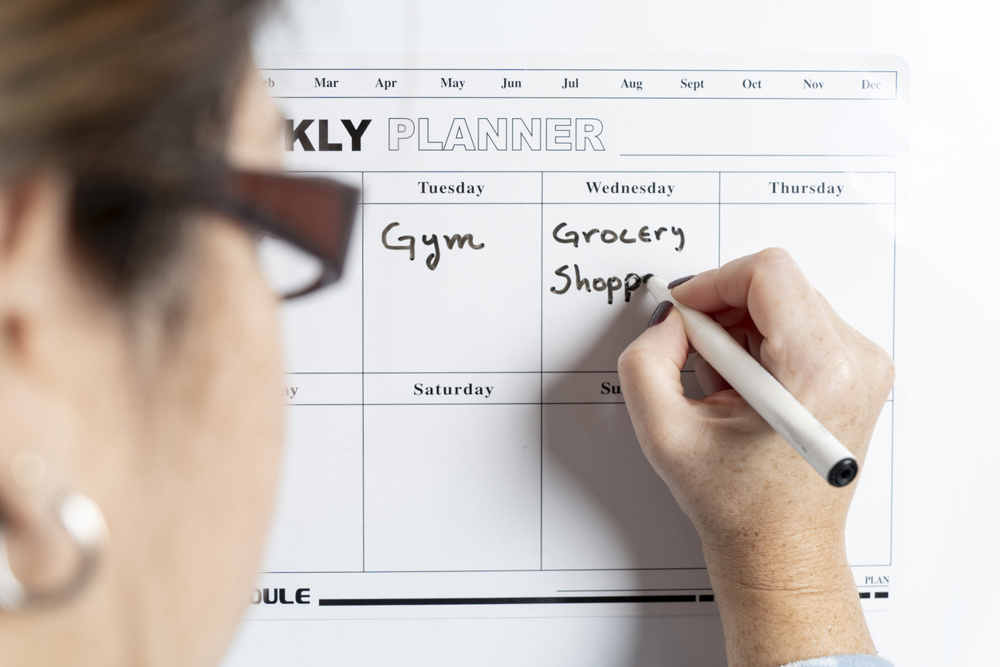
Choose your format wisely. Dry-erase boards support marker longevity since you wipe and rewrite without waste. Paper calendars pair well with colored pens, while Google Calendar lets you match hex codes precisely to your palette.
For mounting options, use Command hooks or hanging strips to secure your calendar damage-free in the kitchen or hallway. Place it at eye level so everyone—kids included—can update it using their own color. Adding small emojis for events, like a cake for birthdays or a pizza slice for weekly family nights, makes memorable entries even easier to spot at a glance.
Add Chore Tracking to Your Kitchen Calendar Without the Nagging
Chores often become a source of frustration because they rely on constant reminders. A kitchen calendar removes that friction by making responsibilities visible and structured.
When chores are scheduled and assigned clearly, expectations are easier to understand. Instead of asking someone to complete a task, the calendar provides the reminder. This reduces tension and helps build accountability over time.
For younger children, visual tracking methods—such as checkmarks or simple rewards—can make chores more engaging. For older household members, the benefit comes from clarity and shared responsibility. As routines develop, chores become part of the daily rhythm rather than something that needs to be enforced.
Make Meal Planning Part of Your Kitchen Calendar Routine
Meal planning becomes far more effective when it is fully integrated into your kitchen calendar rather than treated as a separate task. Instead of making daily decisions under pressure—often at the end of a long day—you create a system where meals are already aligned with your schedule. This removes the constant question of “what’s for dinner?” and replaces it with a clear plan.
This approach allows you to match meals with your available time and energy more realistically. For example, days filled with work meetings, school activities, or errands can be paired with simple meals, leftovers, or pre-prepared options. On quieter days, you can plan recipes that require more time or preparation. This balance helps prevent burnout and makes cooking feel manageable rather than overwhelming.
It also improves long-term efficiency. Planning meals ahead reduces last-minute takeout decisions, minimizes food waste, and helps you use ingredients more intentionally. Over time, you can build a rotation of meals that your household enjoys, turning meal planning into a repeatable system instead of a weekly challenge. This consistency supports healthier habits and creates a more predictable, stress-free kitchen routine.
Sync Grocery Lists Directly to Your Kitchen Calendar
A disconnected grocery system often leads to inefficiency—forgotten ingredients, duplicate purchases, and unnecessary trips to the store. By syncing your grocery list directly to your kitchen calendar, you create a seamless connection between planning and execution.
When meals are planned in advance, their ingredients can be added directly to your grocery list. This ensures that everything you need is accounted for before you shop. Instead of building a list from memory, you rely on a system that reflects your actual meal plan, reducing guesswork and saving time.
This setup also supports collaboration. Multiple household members can add items to the list as needed, whether it’s a missing pantry staple or a request for a specific meal. Real-time updates ensure that everyone is working from the same list, making grocery runs more efficient and flexible. Over time, this integration simplifies your entire workflow.
The Best Digital Tools for Family Kitchen Calendar Management
Digital tools can significantly enhance your kitchen calendar by adding convenience, automation, and accessibility. Shared calendar apps allow multiple users to update schedules, assign tasks, and receive reminders, ensuring that everyone stays aligned even when they are not in the same place.
Smart displays and tablets can act as central hubs within the kitchen, showing schedules, meals, and tasks in a single, easy-to-read format. These tools are especially useful during busy moments, such as meal preparation, when quick access to information makes a difference. Voice integration and mobile syncing further improve accessibility, allowing updates to happen instantly.
However, the effectiveness of these tools depends on how well they fit into your household’s routine. A system that is too complex can become difficult to maintain, leading to inconsistent use. The most effective tools are those that simplify your workflow rather than add extra steps. Choosing the right tools means focusing on usability.
Where to Hang Your Calendar So Your Family Actually Uses It
Placement is one of the most important factors in whether your kitchen calendar becomes part of daily life. Even the most well-designed system will fail if it is not visible or easy to access. High-traffic areas are ideal because they naturally integrate the calendar into your routine.
The refrigerator door, a wall near the dining area, or the entryway are all effective locations. These are places your family passes through multiple times a day, making it easy to check the calendar without thinking about it. Visibility alone is not enough—accessibility matters as well. Everyone in the household should be able to reach and update the calendar easily. If the system feels inconvenient to use, participation will decrease over time.
When the calendar is placed correctly, it becomes part of your household’s rhythm. Checking it becomes automatic, and updates happen naturally. This simple adjustment can make the difference between a system that works and one that gets ignored.
Plan Your Kitchen Calendar Seasonally to Stay Ahead of Busy Months
When you think about your kitchen calendar as a seasonal tool rather than a static grid, planning becomes proactive instead of reactive. Each season brings distinct demands, and your calendar should reflect that shift clearly.
- Winter: Mark holiday prep checklist items early, including bulk pantry shopping and comfort meal rotations.
- Spring: Align meals with fresh produce and schedule family events around sports and school activities.
- Summer: Coordinate travel, grill-friendly meals, and seasonal batch cooking during farmer's market peaks.
- Fall: Prep for back-to-school schedules, harvest meals, and early holiday shopping before November hits.
Updating your calendar weekly keeps it accurate and useful. Treat each seasonal changeover as a reset, so your household stays organized before the busy months arrive. A dedicated Seasonal Chores sheet helps you capture tasks that only come around once per season so nothing slips through the cracks.
How to Get the Whole Family to Actually Use the System
A kitchen calendar is only effective if everyone in the household participates. Involving all family members from the beginning helps build engagement and ensures that the system reflects everyone’s needs. Each person should have a clear role, whether it is updating their own schedule, checking the calendar daily, or contributing to meal planning.
This shared responsibility creates a sense of ownership and encourages consistent use. Establishing routines around the calendar is key. For example, checking it in the morning before leaving the house or in the evening while preparing dinner can turn it into a habit. These small, repeated actions help integrate the system into daily life.
Over time, the calendar becomes a shared reference point. Instead of relying on reminders or conversations, your household naturally turns to the calendar for information, making coordination smoother and more efficient.
Conclusion
A kitchen calendar is more than a scheduling tool—it is a system that brings clarity, structure, and balance into a busy household. By centralizing information, it reduces confusion, improves communication, and helps distribute responsibility more evenly. The most effective calendars are not the most complex—they are the ones that fit naturally into daily life.
With the right structure, placement, and level of simplicity, a kitchen calendar becomes something your household relies on without effort. Over time, this consistency transforms how your home operates. Instead of reacting to daily demands, your household becomes more organized, proactive, and aligned—making everyday life feel more manageable and less overwhelming.