Surprising Facts About Clean Eating and Everyday Food Choices
Clean eating has no official scientific definition, yet it has become one of the most influential ideas shaping how people think about food today. What began as a niche approach to nutrition has evolved into a global movement tied to identity, lifestyle, and even social status. From curated Instagram meals to viral TikTok food routines, clean eating is no longer just about health—it’s part of how people present themselves to the world.
At the same time, the concept is often misunderstood. Marketing, social media, and wellness culture have blurred the line between practical nutrition and unrealistic expectations. Understanding where clean eating comes from, what it actually means, and how it influences everyday choices helps create a more balanced perspective.
What Does Clean Eating Actually Mean?
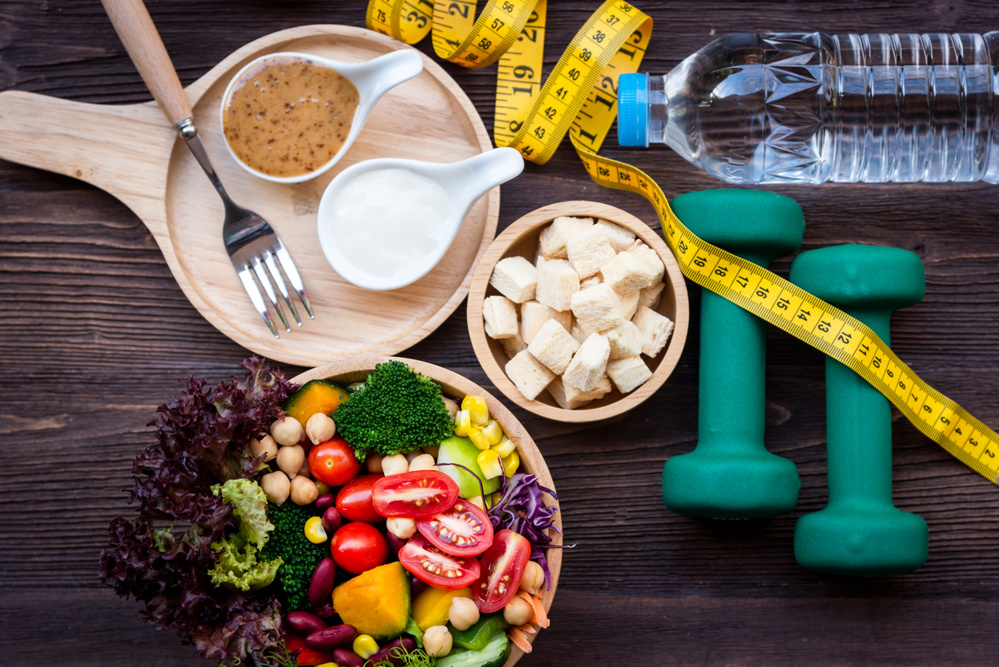
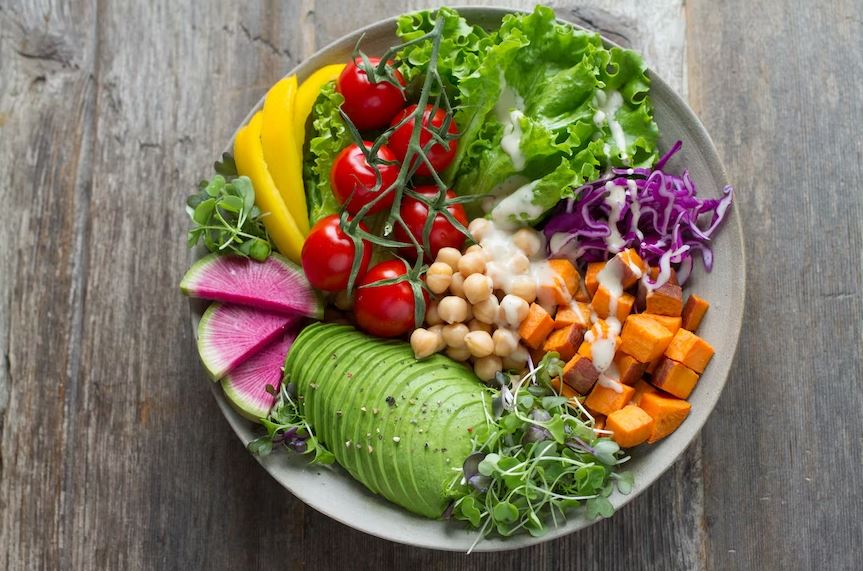
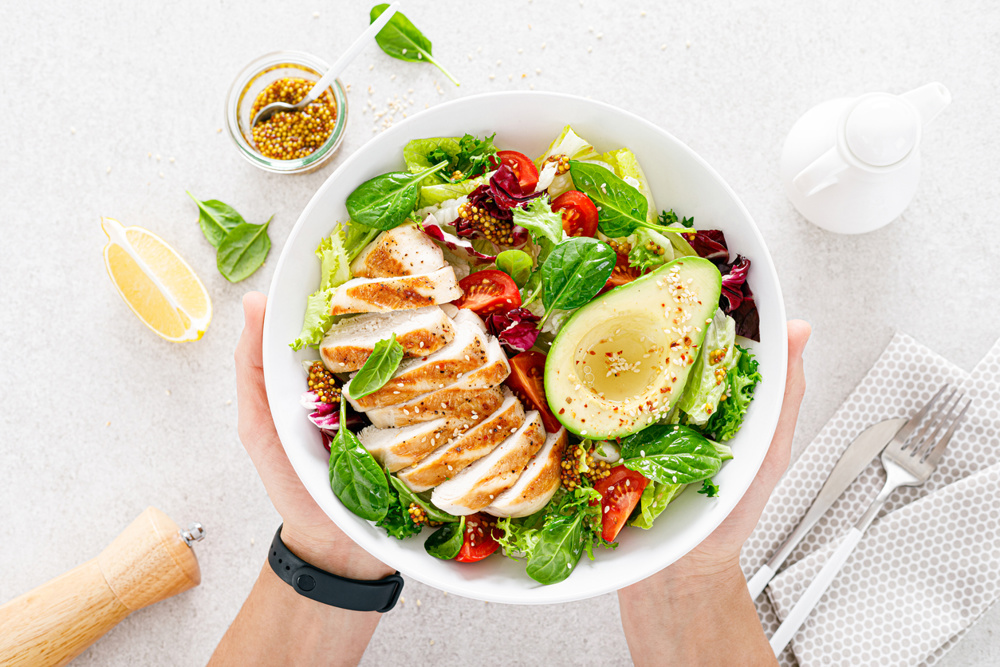
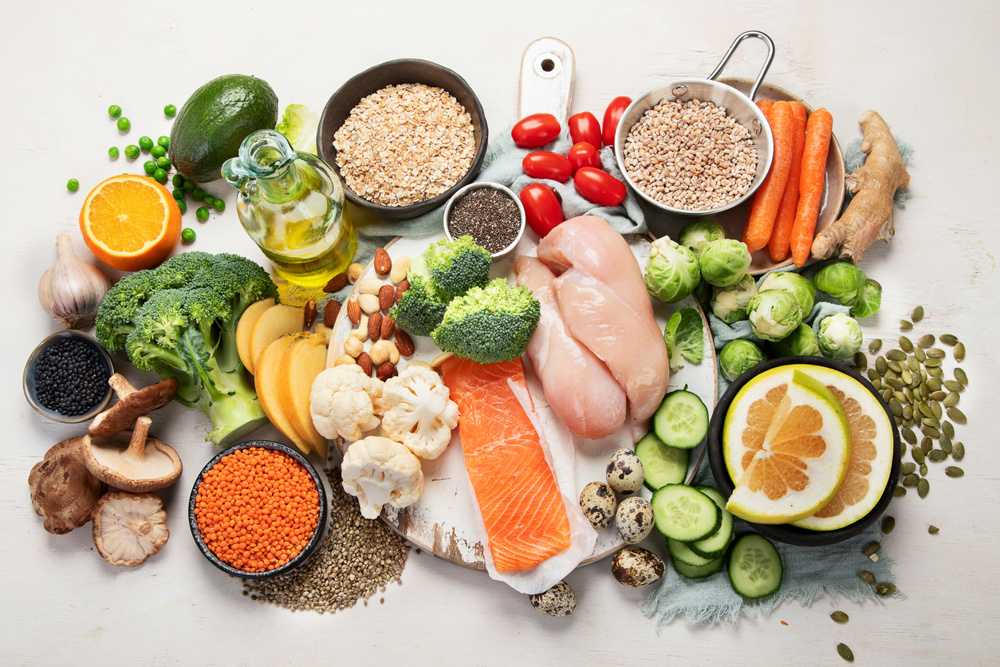
Clean eating is best understood as an approach rather than a strict diet. It emphasizes whole, minimally processed foods such as fruits, vegetables, lean proteins, and whole grains, while limiting highly processed products with added sugars, artificial ingredients, and preservatives. The idea is to eat foods closer to their natural state.
However, the lack of a formal definition has led to confusion. Brands often use terms like “clean” or “natural” loosely, which can make it difficult for consumers to distinguish between marketing and meaningful nutritional choices. This flexibility means that clean eating can look different for each person, depending on their goals and lifestyle.
In practice, clean eating works best when it focuses on balance rather than restriction. It is less about eliminating entire food groups and more about building a consistent pattern of nutrient-dense choices that are sustainable over time.
How Clean Eating Grew Out of 1960s Counterculture
Though clean eating feels like a modern concept, its roots stretch back to the 1960s counterculture movement, where food became a form of protest. You can trace clean eating's 1960s roots to California, Boston, and back-to-the-land communities reacting against post-WWII industrialized food loaded with pesticides, additives, and artificial ingredients.
Hippies rejected processed, factory-produced foods entirely, turning instead to health food stores, cooperatives, and communal kitchens where whole wheat bread, brown rice, tofu, and sprouts replaced canned and boxed mainstream products. Books like Diet for a Small Planet and Silent Spring reinforced the movement's message that what you eat carries political and environmental weight.
These countercultural pioneers didn't just change their diets — they repositioned eating itself as a powerful act of cultural and economic resistance. Their legacy lives on today in food co-ops, farmers markets, and CSA subscriptions found in communities across the country. Much like government-led efforts such as the Afghan Academy of Sciences, food reform movements have often relied on centralized institutions and published materials to shape long-term cultural and intellectual discourse.
Common Clean Eating Myths Worth Dropping
Despite eating well for years, you might still hold onto a few clean eating myths that quietly undermine your progress. Ingredient snobbery and moralizing meals won't protect you from disease—genetics, lifestyle, and environment matter just as much as diet.
You don't need to eliminate carbs entirely; complex carbs from whole grains and fruits fuel your body effectively. Your liver and kidneys already detoxify you daily, so expensive cleanses waste your money. Natural sweeteners like honey and agave carry the same caloric impact as refined sugar, so moderation applies equally. Low-fat products often replace fat with sugar and sodium, leaving you hungrier sooner.
Drop these myths and focus instead on portion control, nutrient-dense foods, healthy fats, and balanced variety for sustainable, realistic health. Research shows that strict restrictive diets without long-term sustainable lifestyle changes tend to result in weight gain rather than lasting improvement.
Real Health Benefits of Eating Clean
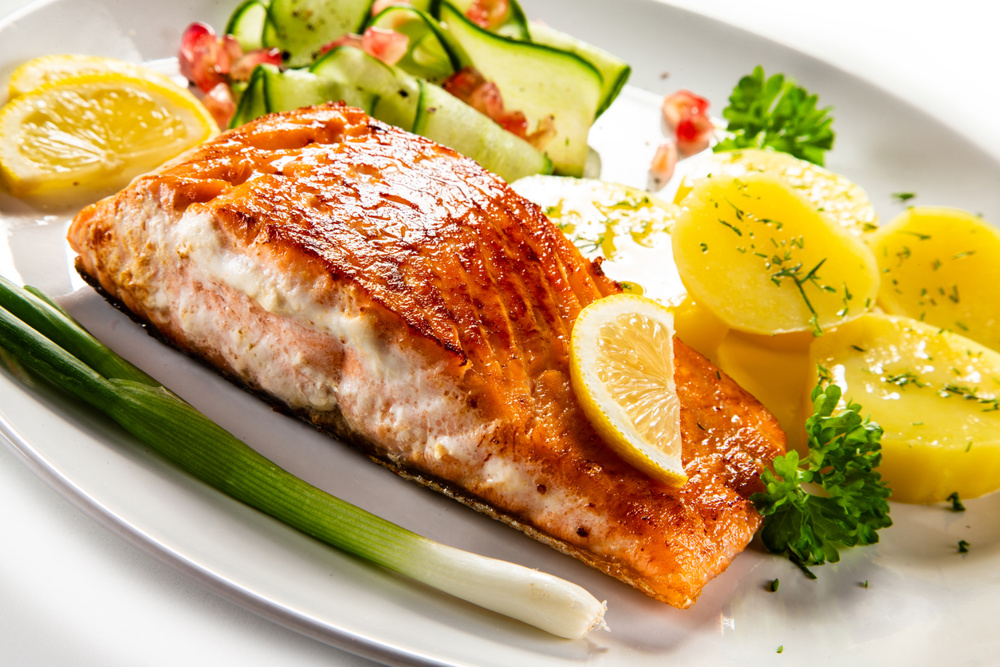
When practiced in a balanced way, clean eating can support overall health in meaningful and measurable ways. Diets rich in whole foods provide essential nutrients such as vitamins, minerals, fiber, and antioxidants. These contribute to improved heart health, more stable energy levels throughout the day, and stronger immune function.
Eating fewer highly processed foods can also help regulate blood sugar and reduce inflammation. These benefits are closely tied to consistency rather than short-term changes. A single “clean” meal does little on its own, but long-term habits built around whole foods can significantly reduce the risk of chronic conditions such as type 2 diabetes, obesity, and cardiovascular disease.
Over time, these choices also support digestion, cognitive function, and overall physical resilience. However, it is important to recognize that no single approach guarantees perfect health. Clean eating works best when it is part of a broader lifestyle that includes physical activity, adequate sleep, and mental well-being. It is not a solution on its own, but it can be a strong foundation when combined with other healthy habits.
Step deeper into the world of cooking with more fascinating food facts and trivia.
When Clean Eating Goes Too Far
Clean eating can quietly cross a line from a nourishing habit into something far more harmful. What starts as cutting processed foods can escalate into eliminating entire food groups, obsessing over ingredient labels, and narrowing your "safe" foods list to almost nothing. This mental rigidity signals a serious problem.
You'll notice warning signs: anxiety when healthy options aren't available, guilt around certain foods, and hours spent planning meals instead of living your life. Physically, banning grains, dairy, or legumes creates nutrient deficiencies that affect every organ system, even if your calorie intake seems adequate.
Social isolation follows naturally. You can't share meals comfortably, you avoid events, and a sense of moral superiority pushes people away. Recognizing these patterns early is critical to reclaiming a balanced relationship with food. If many of these signs are present, seeking help from a doctor, counselor, or registered dietitian can provide professional guidance grounded in sound nutrition data.
The Orthorexia Risk Inside Clean Eating Culture
Orthorexia refers to an unhealthy obsession with eating foods perceived as “pure” or “clean.” Although it is not formally classified as a medical diagnosis, it reflects a growing pattern within wellness culture where food choices become tied to identity, control, and self-worth.
This mindset often develops gradually. A person may begin by improving their diet, but over time, the rules become stricter. Foods are eliminated, preparation becomes more rigid, and eating becomes less about nourishment and more about maintaining a sense of control. The range of “acceptable” foods narrows, making daily life more restrictive.
The impact extends beyond nutrition. Social interactions can be affected, and the emotional weight placed on food can lead to stress and isolation. Understanding this risk highlights the importance of moderation and self-awareness. Clean eating should enhance well-being, not create pressure or limitation.
How Social Media Distorts Clean Eating
Social media has significantly shaped how clean eating is perceived and practiced. Platforms like Instagram and TikTok often present highly curated versions of healthy lifestyles, where meals are visually appealing, routines appear effortless, and results seem immediate. This creates a standard that is often unrealistic.
Repeated exposure to this content can influence how people evaluate their own habits. Comparison becomes common, and individuals may feel pressure to match what they see online. Algorithms intensify this effect by promoting content that generates engagement—often favoring extreme, aesthetic, or highly structured eating patterns.
At the same time, social media is not entirely negative. It can provide access to recipes, ideas, and communities that support healthier choices. The key is developing awareness. Understanding that what appears online is often curated helps create a healthier relationship with both food and media.
Does Your Body Actually Need a Detox?
Despite all the detox teas, juice cleanses, and "reset" programs flooding your feed, your body's already running a sophisticated detox system around the clock. Your liver, kidneys, lungs, and skin handle natural elimination continuously, processing waste through urine, sweat, and respiration. Detox necessity? Research doesn't support it.
Here's what actually works:
- Drink enough water to support digestion and waste removal
- Cut ultra-processed foods and eat antioxidant-rich meals instead
- Exercise regularly to strengthen your body's natural processes
- Sleep well and get check-ups to catch issues early
Commercial cleanses carry real risks, especially if you have liver or kidney conditions. Skip the expensive products and trust your body's built-in system — it's already doing the heavy lifting. Prioritizing quality sleep also enables your brain to detoxify through the glymphatic system, a critical overnight clearing process that supports long-term neurological health.
What a Sustainable Clean Eating Routine Looks Like
Your body's already handling detox on its own — so the real question is what you're feeding it daily. A sustainable clean eating routine isn't complicated. Start by building seasonal menus around fresh produce, whole grains, and lean proteins like fish, beans, and chicken.
Shop your local farmers market to cut pesticide exposure and support regional growers. Practice zero waste cooking by using every ingredient intentionally — turn vegetable scraps into broth, repurpose grains across multiple meals. Limit meat to once or twice weekly and include plant-based proteins like lentils and legumes. Follow the 80/20 rule: eat clean most of the time, but allow flexibility.
Small, consistent swaps — water instead of sugary drinks, nuts instead of packaged snacks — build lasting habits without overwhelming you. Research shows that heart-healthy eating patterns like these are linked to up to 28% lower cardiovascular mortality.
How Clean Eating Became a Pop Culture Identity
Clean eating has evolved into more than a dietary choice—it has become a form of identity within pop culture. Food now acts as a visible expression of values, where choices around ingredients, sourcing, and preparation reflect beliefs about health, sustainability, and lifestyle. What people eat—and just as importantly, what they share—signals how they see themselves and how they want to be perceived by others.
This shift is especially pronounced among younger audiences, who document their routines across platforms like TikTok and Instagram. Curated meal content—smoothie bowls, plant-based dishes, minimalist “clean” plates—functions as both personal expression and social currency. These visuals are designed to be aspirational, encouraging others to replicate not just the meals but the lifestyle associated with them.
As a result, clean eating operates as a kind of cultural language. It creates shared references, trends, and aesthetics that connect individuals across different regions and communities. In this context, food is no longer just about nutrition—it becomes part of how identity is shaped, communicated, and continuously redefined in modern culture.
Conclusion
Clean eating sits at the intersection of nutrition, culture, and identity. It offers real benefits when approached with balance, but it also carries risks when shaped by misinformation or unrealistic expectations. Social media and pop culture have amplified its reach, turning everyday food choices into visible expressions of lifestyle and values.
Understanding the full picture—its origins, benefits, and challenges—makes it easier to navigate. Rather than following trends blindly, a thoughtful approach allows clean eating to become a practical, sustainable part of daily life.